Trump Says a Pentagon Deal With Anthropic Is 'Possible' — Here's What Changed
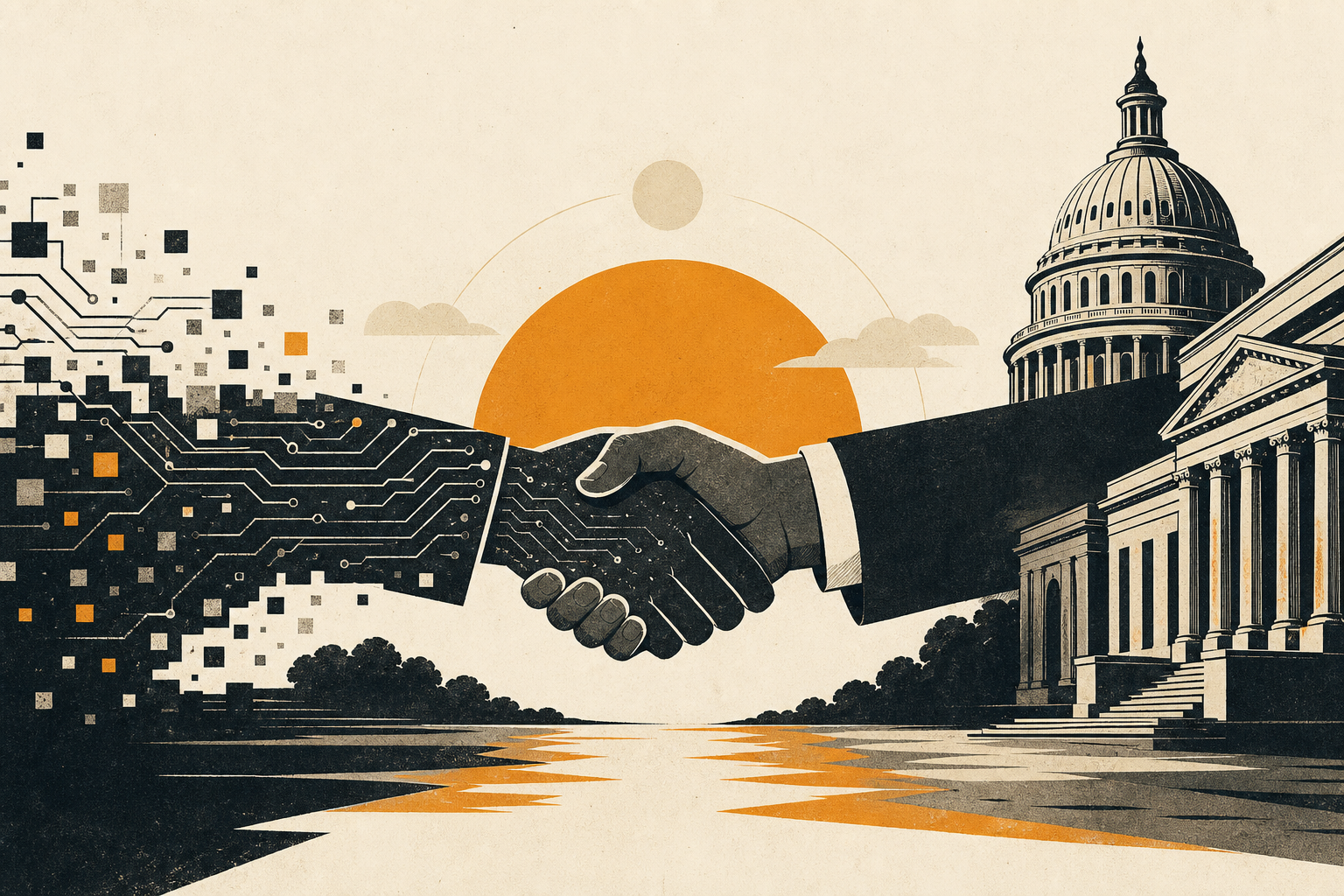
Two months ago, the Trump administration blacklisted Anthropic from Department of Defense contracts. On Tuesday, Trump told CNBC live that...
In this article

What Trump Actually Said
In a live CNBC Squawk Box interview on April 21, anchor Andrew Ross Sorkin asked Trump directly: 'Do you think a deal will be made so that Anthropic will be allowed to be used inside the Defense Department in the future?' Trump's response: 'It's possible. They're shaping up.' Claude Opus 4.7 Released: Anthropic's Most Capa...
That phrase — 'shaping up' — is doing a lot of work. It implies Anthropic has done something to earn back favor. The most obvious candidate: Dario Amodei's White House meeting just three days earlier, where he briefed the Chief of Staff, National Cyber Director, and Treasury Secretary on Claude Mythos. Those aren't ceremonial meetings. Briefing Treasury on an AI model is a national security conversation.
How We Got Here
In February, the Pentagon publicly called Amodei a liar over a dispute about what Anthropic had agreed to regarding DoD access. The DoD banned Anthropic from federal contracts. Anthropic won a court ruling blocking the blacklist. The Pentagon immediately appealed. That appeal was still active when Amodei walked into the West Wing last Friday.
The timeline matters: Project Glasswing launched April 7 (Anthropic's elite cybersecurity consortium with Apple, Amazon, Google, Microsoft, Cisco). Claude Mythos Preview started finding real zero-days in production systems. The model went from being a security concern to being a security asset — and Washington noticed.
This week also brought news that Claude Mythos found 271 vulnerabilities in Firefox in a single evaluation run. That kind of demonstrated capability is exactly what changes the calculus for defense agencies that have been demanding access.
Anthropic flipped the Pentagon narrative by making Mythos too useful to exclude. Project Glasswing gave them institutional cover (Apple, Google, Microsoft are all in). Mythos's Firefox vulnerability discovery gave them a demo that speaks the DoD's language.
What a DoD Deal Would Actually Mean
The DoD using Claude Mythos would be a massive contract. Federal AI spending is in the billions. More importantly, it would legitimize Anthropic's position in the national security space — something OpenAI has been building toward aggressively with its own government partnerships.
For Claude users, the implications are more structural: government contracts of this scale typically come with security requirements (FedRAMP, ITAR compliance) that push Anthropic to build out its enterprise security infrastructure further. That tends to benefit enterprise customers broadly.
What This Means For You
If you're a developer or operator: this doesn't change anything about Claude's API today. But if a DoD deal closes, expect Anthropic to announce FedRAMP-high or IL-4/IL-5 compliance — which would open Claude to a huge swath of government contractors who can't use it today.
If you're tracking the AI policy landscape: the Anthropic-Trump reversal signals that demonstrated capability (real zero-days, real production impact) is more persuasive than any amount of lobbying. Other AI labs will take note.
Sources & Further Reading
• Trump says Anthropic deal is 'possible' for Department of Defense use — CNBC, April 21, 2026 • CNBC Transcript: Trump Squawk Box interview — CNBC, April 21, 2026 • Unauthorized group has gained access to Anthropic's exclusive cyber tool Mythos — TechCrunch, April 21, 2026
National Security and Sovereign Compute Infrastructure
Any potential deal between the Pentagon and Anthropic will rely heavily on private, air-gapped sovereign compute infrastructure. Due to the classified nature of defense operations, military intelligence cannot be sent over public cloud networks. Anthropic has been developing dedicated, self-contained deployment models that run entirely within government-managed data centers, ensuring that data is never exposed to the public internet.
This security focus is balanced with a desire to deploy advanced reasoning agents. From log analysis and threat intelligence to logistics management and training simulations, the DoD sees massive efficiency gains in automating routine analytical tasks. If the deal goes through, it will mark the largest government deployment of a reasoning-class model on record, signaling a new era of AI-native defense operations.
Get the Claude playbook in your inbox.
One weekly email for Claude and Claude Code users. Real workflows, no hype. Subscribe and we send you The Claude Power-User Cheatsheet.
— ¶ —

Luke Thompson
Luke Thompson is the founder of The Operations Guide, LLC and editor of The Claude Insider. Based in Jonesborough, Tennessee, he has spent years building AI-augmented business systems and automation workflows for operators and teams. He began working with large language models in production well before the current wave of consumer AI tools, integrating them into client workflows, content pipelines, and operational infrastructure. At The Claude Insider, he writes about Claude with the specificity of someone who uses it daily as a professional tool — not as a reviewer or commentator, but as a builder. His coverage focuses on what actually works: prompt patterns, API integration strategies, agentic workflows, and the real-world tradeoffs that practitioners face. He is not affiliated with Anthropic, PBC.
Articles are researched and drafted with AI assistance, reviewed and edited by Luke Thompson.
Know where AI can pay off in your company.
Take the free two-minute AI Readiness Assessment. See your score, the two gaps holding you back, and the next move worth making.