Anthropic Just Made Peace With Trump. Here's What Changes.
Dario Amodei walked into the West Wing on Friday (April 18) and walked out with a deal. After months of Pentagon chaos and supply-chain...
In this article
What Actually Happened
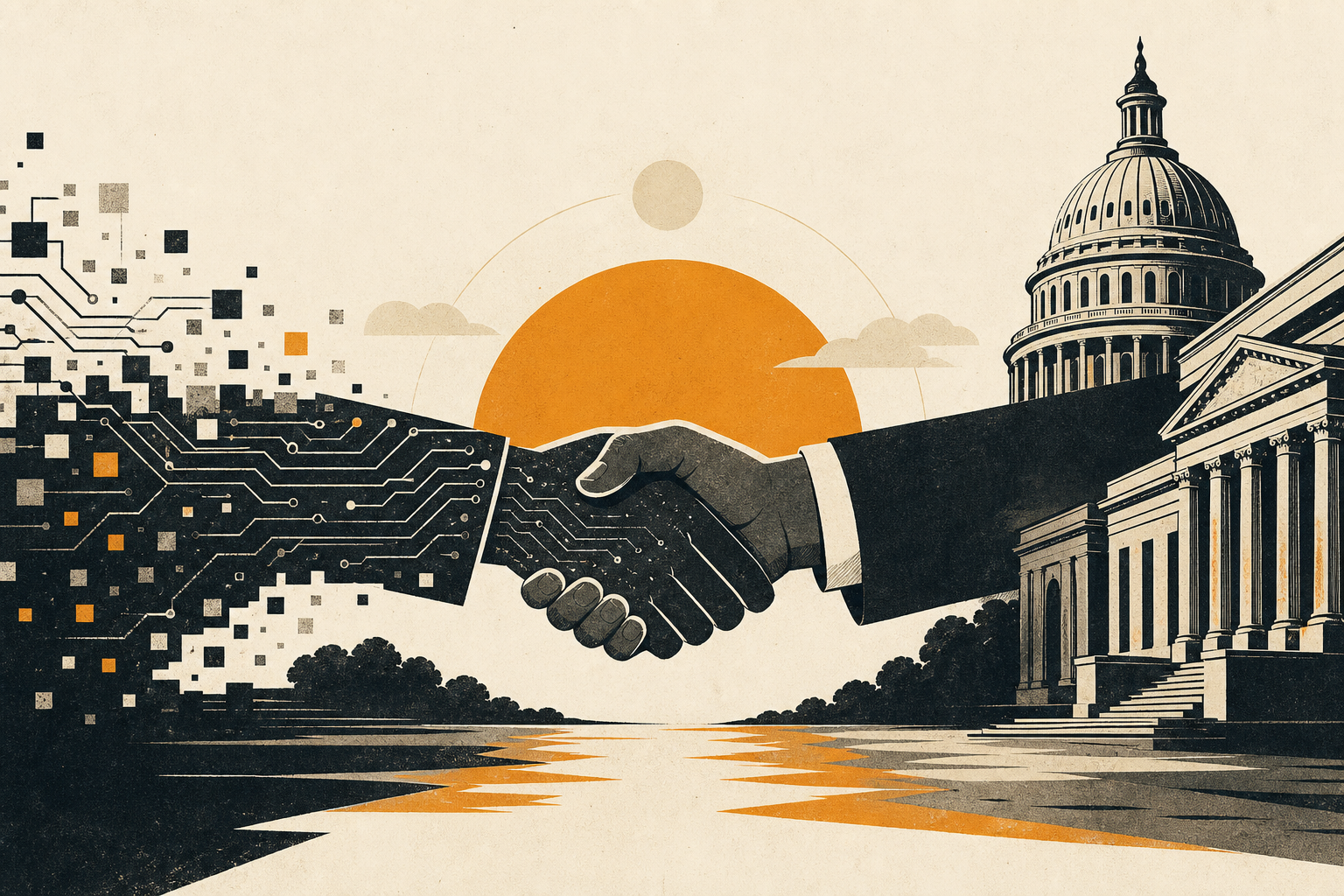
Last week, Dario Amodei briefed White House Chief of Staff Susie Wiles and Treasury Secretary Bessent on Mythos — what it can do, why it's restricted, and why government agencies need it. The message was simple: AI can find security holes better than humans now. Waiting isn't safe. The Trump administration listened. (See also: Project Glasswing) (See also: Anthropic's Pentagon battle) Test Article Andrej Karpathy Joins Anthropic: What This Hire...
By Friday, the White House CIO had told federal agencies that Mythos access would be prepared for testing and deployment. Not a full release — but a managed path forward. Civilian agencies (Commerce, State, etc.) would get a version designed specifically for vulnerability detection and hardening, under safeguards. The Pentagon stays out for now, but this thaw matters.
The Pentagon Problem (Mostly) Solved
Six weeks ago, the Pentagon declared Anthropic a "supply-chain risk" — effectively blacklisting the company from government contracts. It was retaliation for the Pentagon's failed attempt to monopolize Mythos access. A federal judge called it punishment. Anthropic fought back. The administration, facing public pressure and actual security needs, blinked first.
The deal doesn't restore Anthropic to "trusted vendor" status overnight. The Pentagon and Anthropic still disagree on use cases and autonomy rules. But civilian agencies no longer have to choose between security and compliance. They can use Mythos to scan their most critical systems for zero-days that would take human teams years to find.
The real win: Anthropic demonstrated that its newest frontier model had legitimate defensive value that was worth the political cost of staying independent. The Trump administration chose security over turf wars.
What Mythos Can Actually Do
Mythos found 27-year-old bugs in OpenBSD. It found 16-year-old vulnerabilities in FFmpeg that automated tools had scanned millions of times and missed. It chained together kernel exploits that would take a team months to find. On CyberGym benchmarks, Mythos scores 83.1% vs Opus 4.6's 66.6% — that's not a rounding error, that's a generational leap.
The agencies using it now (Commerce, State, Energy) are applying it to their own codebases and third-party software they depend on. They're finding vulnerabilities in weeks that would take teams years. That's the value proposition that won over the White House.
What This Means For You
If you work in government cybersecurity or infrastructure, Mythos access just became available. If you work in policy or defense contracting, the Pentagon-Anthropic war is thawing but not over — expect gradual integration, not wholesale adoption yet.
For the broader AI industry: this is proof that frontier capabilities can stay independent and still win government trust by demonstrating defensive value. Anthropic didn't compromise on model safety or deployment autonomy — it just showed why the model mattered. That's leverage.
Sources & Further Reading
TechCrunch: Anthropic's relationship with the Trump administration seems to be thawing — Real-time reporting on the thaw. Axios: Scoop: Anthropic to have peace talks at White House — Breaking news of the Friday meeting. WSJ: Anthropic CEO Lands White House Meeting as Feud Thaws — Policy angle on the shift. White House moves to give federal agencies access to Anthropic's Claude Mythos — Detailed breakdown of agency access plans.
Get the Claude playbook in your inbox.
One weekly email for Claude and Claude Code users. Real workflows, no hype. Subscribe and we send you The Claude Power-User Cheatsheet.
— ¶ —

Luke Thompson
Luke Thompson is the founder of The Operations Guide, LLC and editor of The Claude Insider. Based in Jonesborough, Tennessee, he has spent years building AI-augmented business systems and automation workflows for operators and teams. He began working with large language models in production well before the current wave of consumer AI tools, integrating them into client workflows, content pipelines, and operational infrastructure. At The Claude Insider, he writes about Claude with the specificity of someone who uses it daily as a professional tool — not as a reviewer or commentator, but as a builder. His coverage focuses on what actually works: prompt patterns, API integration strategies, agentic workflows, and the real-world tradeoffs that practitioners face. He is not affiliated with Anthropic, PBC.
Articles are researched and drafted with AI assistance, reviewed and edited by Luke Thompson.
Know where AI can pay off in your company.
Take the free two-minute AI Readiness Assessment. See your score, the two gaps holding you back, and the next move worth making.