Claude Mythos Leaked: Anthropic's Most Powerful Model Yet — and Its Cybersecurity Warning
An accidental data exposure revealed Anthropic's next-generation model, internally codenamed Capybara. Here's what the leaked documents say about Claude Mythos, its benchmark performance, and why Anthropic is quietly briefing U.S. officials about its cyber capabilities.
In this article

What Happened
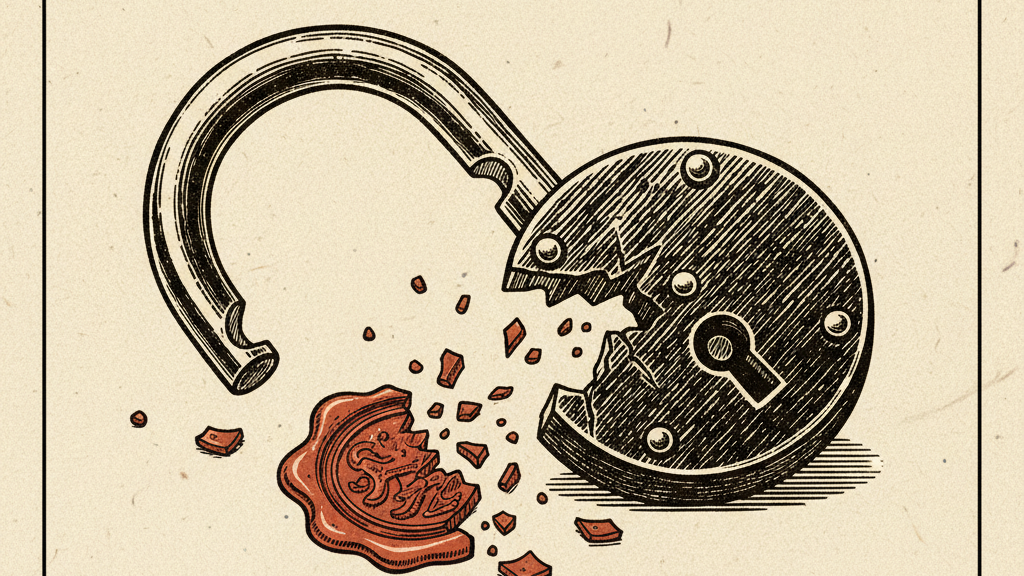
The exposure was discovered by a security researcher who noticed the misconfigured bucket and began distributing the documents across forums and social media. Within hours, Anthropic confirmed the leak was genuine. This followed a separate incident earlier in the week where approximately 1,900 files and 512,000 lines of source code were also accidentally made public — making it the company's second significant security lapse in quick succession. (See also: Project Glasswing) (See also: why Anthropic delayed Mythos) Claude Opus 4.7 Released: Anthropic's Most Capa...
What Is Claude Mythos?
Recursive Reasoning and Autonomous Capabilities
The leak of the Mythos model specifications has confirmed what many industry insiders suspected: Anthropic has successfully trained a model capable of autonomous self-correction. In standard benchmarks, models are evaluated on single outputs. Mythos, however, is trained to run iterative loops inside a secure sandbox—compiling code, executing test cases, and modifying its own logic based on error logs. This recursive reasoning capability allows the model to solve complex programming tasks that previously required human intervention.
This level of autonomy is supported by an expanded context window, rumored to be 1 million tokens. With such a massive input capacity, developers can feed entire codebases, complete documentation suites, and massive system logs directly into the model. Mythos can then analyze the entire system architecture, trace bug origins across multiple files, and propose comprehensive refactoring plans, making it an invaluable tool for software maintenance at scale.
The Geopolitical and Commercial Implications
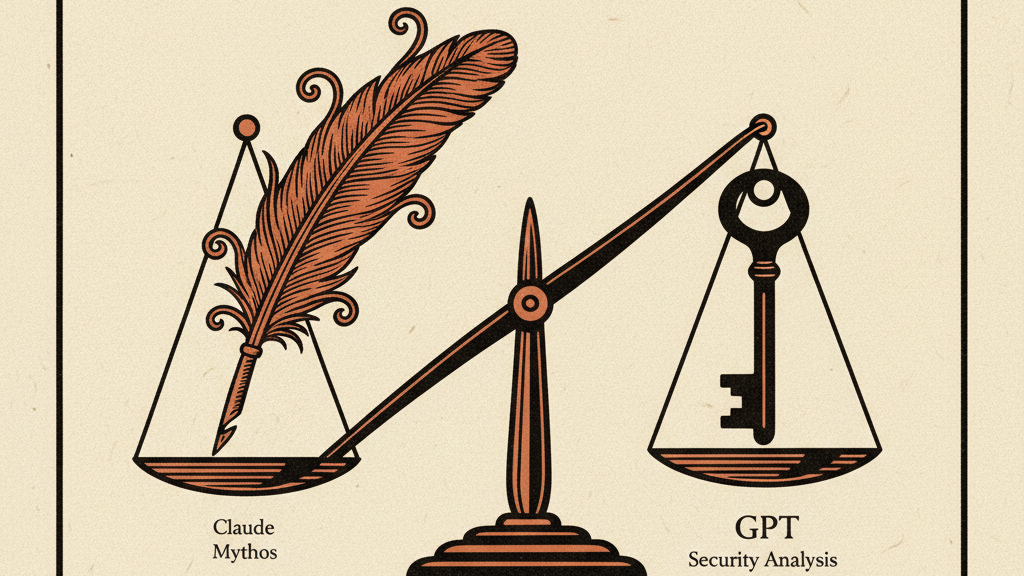
The existence of Mythos has triggered a flurry of lobbying and diplomatic activity in Washington. Due to the model's advanced bug-finding capabilities, there are concerns that it could be used by foreign adversaries to identify zero-day vulnerabilities in critical infrastructure. Consequently, the US government is pressure-testing Anthropic's deployment protocols, leading to discussions about potential export controls on frontier reasoning models.
Commercially, the Mythos leak has put OpenAI and Google on notice. While both competitors have released reasoning-class models, neither has publicly demonstrated a model with the level of autonomous coding and security auditing proficiency attributed to Mythos. As Anthropic continues to refine this technology, the race to build the first commercially viable, fully autonomous software engineering agent will only intensify.
Future Security Architectures and Safe Deployment Pathways
As frontier models like Mythos advance in capability, the methods used to secure them must undergo a corresponding evolution. Industry experts suggest that traditional firewalls and access controls are no longer sufficient to protect models that can write their own exploits. Instead, laboratories are turning to AI-driven threat monitoring systems that analyze model behavior and access patterns in real-time. By deploying dedicated defensive models to watch for anomalies and unauthorized attempts to export weights or code, labs hope to create a self-securing development loop that can withstand sophisticated external attacks. This shift toward active, model-based defense will likely become the industry standard as we move closer to fully autonomous, agentic software systems.
This leak also emphasizes the need for a unified industry standard regarding model security and reporting. As autonomous capabilities scale, the potential impact of weight leaks becomes increasingly severe. By establishing shared protocols for threat intelligence and vulnerability sharing, frontier labs can better defend against state-sponsored actors and maintain a secure research environment.
Get the Claude playbook in your inbox.
One weekly email for Claude and Claude Code users. Real workflows, no hype. Subscribe and we send you The Claude Power-User Cheatsheet.
— ¶ —

Luke Thompson
Luke Thompson is the founder of The Operations Guide, LLC and editor of The Claude Insider. Based in Jonesborough, Tennessee, he has spent years building AI-augmented business systems and automation workflows for operators and teams. He began working with large language models in production well before the current wave of consumer AI tools, integrating them into client workflows, content pipelines, and operational infrastructure. At The Claude Insider, he writes about Claude with the specificity of someone who uses it daily as a professional tool — not as a reviewer or commentator, but as a builder. His coverage focuses on what actually works: prompt patterns, API integration strategies, agentic workflows, and the real-world tradeoffs that practitioners face. He is not affiliated with Anthropic, PBC.
Articles are researched and drafted with AI assistance, reviewed and edited by Luke Thompson.
Know where AI can pay off in your company.
Take the free two-minute AI Readiness Assessment. See your score, the two gaps holding you back, and the next move worth making.