Claude Agents Just Got a Major Upgrade: Dreaming, Better Memory, and Real Multi-Agent Orchestration
Three weeks after launching Claude Managed Agents, Anthropic just shipped three features that move agents from 'experimental' to...
In this article
What Is Dreaming? (And Why It Matters)
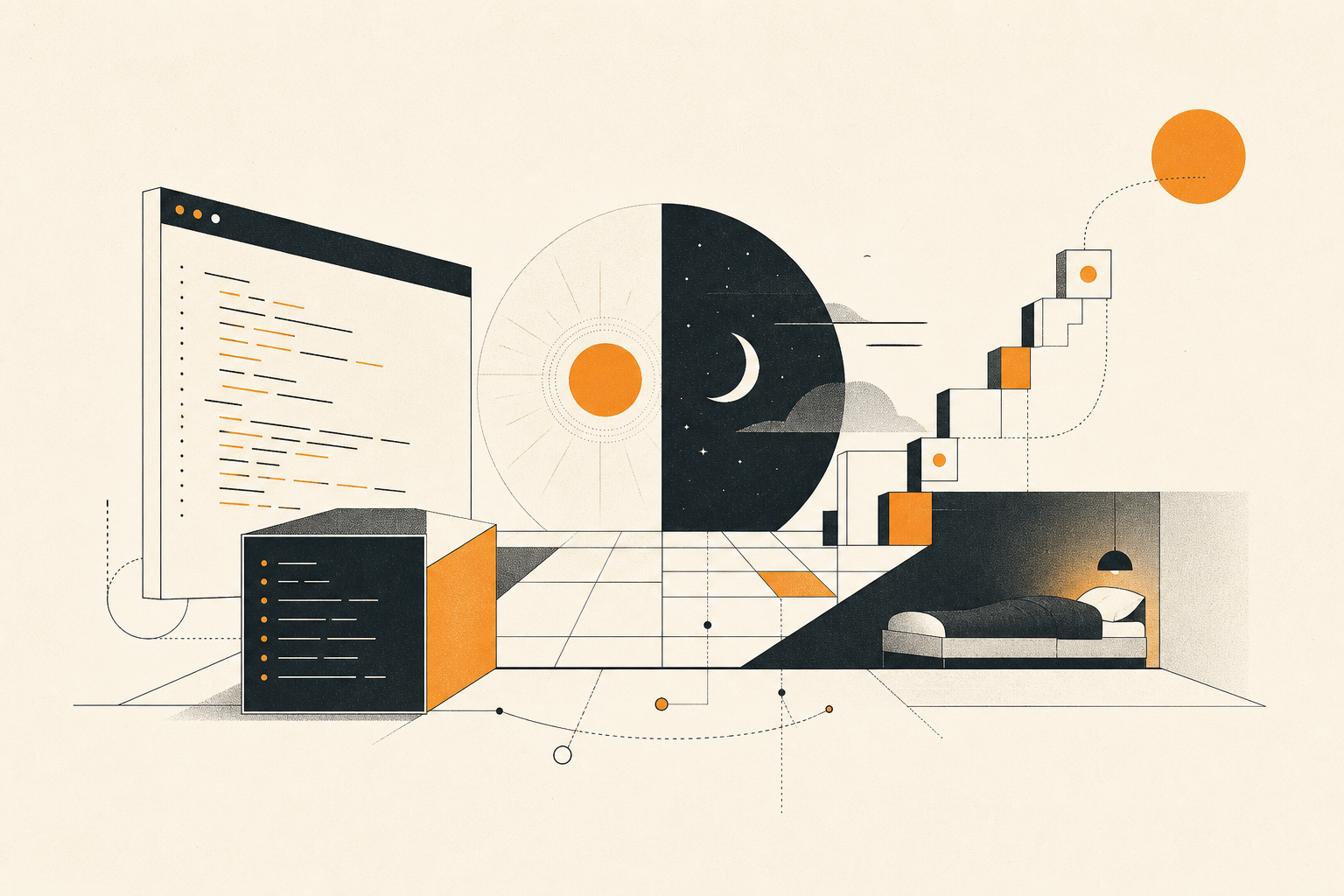
Dreaming is exactly what it sounds like: Claude agents now run internal simulations after each task to analyze what went wrong and how to improve next time. You don't need a human in the loop anymore. The agent figures it out.
Example: Your agent writes SQL queries to pull customer data. It hits a bad join, returns incomplete results, and the task fails. With Dreaming, the agent replays that failure internally, debugs its own query logic, and the next time it encounters a similar query structure, it knows what to avoid. This is self-supervised learning, compressed into the agent's runtime.
The implication is huge: agents get smarter per-task without retraining. They don't need labeled data. They don't need human feedback. They just... learn.
Memory + Outcomes: Putting Agents in Control
Claude Managed Agents now collapse memory management and outcome evaluation into a single system. Before, you had to manually track what context was relevant, what worked, what didn't. Now agents decide what to remember and how to measure success.
- Agents write their own memory. The agent decides what facts, errors, and wins get written to persistent storage. No prompt engineering needed.
- Agents define success metrics. Instead of a hardcoded rubric, the agent proposes: 'I succeeded if the query ran in under 2 seconds and returned all columns.' Anthropic validates it, agent uses it.
- Vector storage is optional. You can use it for long-term context, but most teams won't need it. Agents manage what they need to know.
Multi-Agent Orchestration: Teams of Agents
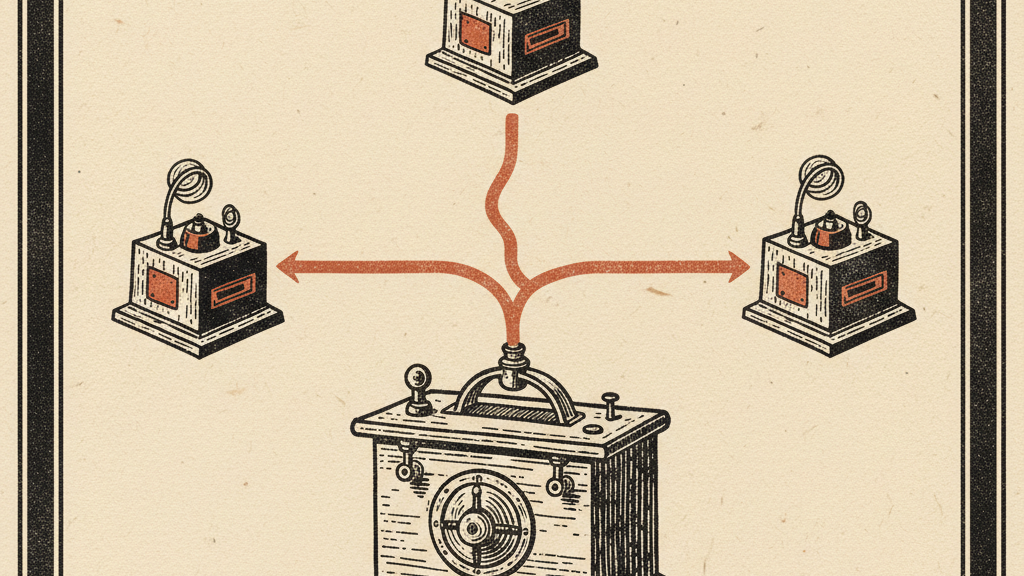
The new orchestration layer lets you spin up teams of agents that coordinate without a controller. One agent handles data retrieval, another does analysis, another writes the report. They pass context between each other, reroute if one fails, and optimize their own workflow.
This is no longer 'call Agent A, wait for response, call Agent B.' This is agents figuring out who should do what and doing it in parallel. Enterprise teams have been asking for this since Agents were announced. It just shipped.
Production Readiness: From Preview to Beta
Outcomes and orchestration just moved from 'research preview' to 'public beta.' That's Anthropic's way of saying: 'You can use this in production now.' The API is stable. The docs are real. You're not on the bleeding edge anymore.
Dreaming is still in research preview, but it works. Expect it in public beta by June.
What This Means For Builders
- You can ship agent products now. No more waiting for Anthropic to ship features. The core toolset exists.
- Cost per agent drops. Less human oversight = lower operational costs. Agents handle their own debugging.
- Time-to-value shrinks. From weeks of tuning to days of deployment. Dreaming handles the learning curve.
- Multi-agent workflows become standard. If you're not running teams of agents, you're leaving efficiency on the table.
The competitive pressure just shifted. OpenAI doesn't have orchestration. Google's still in research mode on agents. Anthropic just gave Claude a 2-3 month lead on real production agent infrastructure.
The Trade-Off: Autonomy vs Control
More autonomy means less visibility. If your agent decides what to remember and how to succeed, you need to trust it. That's a culture shift for teams used to controlling every detail. The good news: Anthropic's built in auditability. You can see everything the agent decided, override if needed, and it learns from corrections.
Enterprise teams will love this. Startups might be nervous. Both should ship it.
What This Means For You
If you've been holding back on agent projects—waiting for better infrastructure, waiting for Anthropic to ship core features—stop waiting. The pieces are in place. Start with orchestration (stable beta), add Dreaming once it hits public beta, and you've got a production-grade agent system by Q3.
If you're an enterprise building AI into workflows, this is your moment. Your competitors are probably still prototyping. You can be shipping agent teams by July.
Sources & Further Reading
VentureBeat: Anthropic wants to own your agent's memory, evals, and orchestration — Emilia David, May 8, 2026. VentureBeat: Anthropic introduces 'dreaming' — Michael Nuñez, May 8, 2026. Claude Managed Agents Docs — Official Anthropic documentation.
Get the Claude playbook in your inbox.
One weekly email for Claude and Claude Code users. Real workflows, no hype. Subscribe and we send you The Claude Power-User Cheatsheet.
— ¶ —

Luke Thompson
Luke Thompson is the founder of The Operations Guide, LLC and editor of The Claude Insider. Based in Jonesborough, Tennessee, he has spent years building AI-augmented business systems and automation workflows for operators and teams. He began working with large language models in production well before the current wave of consumer AI tools, integrating them into client workflows, content pipelines, and operational infrastructure. At The Claude Insider, he writes about Claude with the specificity of someone who uses it daily as a professional tool — not as a reviewer or commentator, but as a builder. His coverage focuses on what actually works: prompt patterns, API integration strategies, agentic workflows, and the real-world tradeoffs that practitioners face. He is not affiliated with Anthropic, PBC.
Articles are researched and drafted with AI assistance, reviewed and edited by Luke Thompson.
Know where AI can pay off in your company.
Take the free two-minute AI Readiness Assessment. See your score, the two gaps holding you back, and the next move worth making.