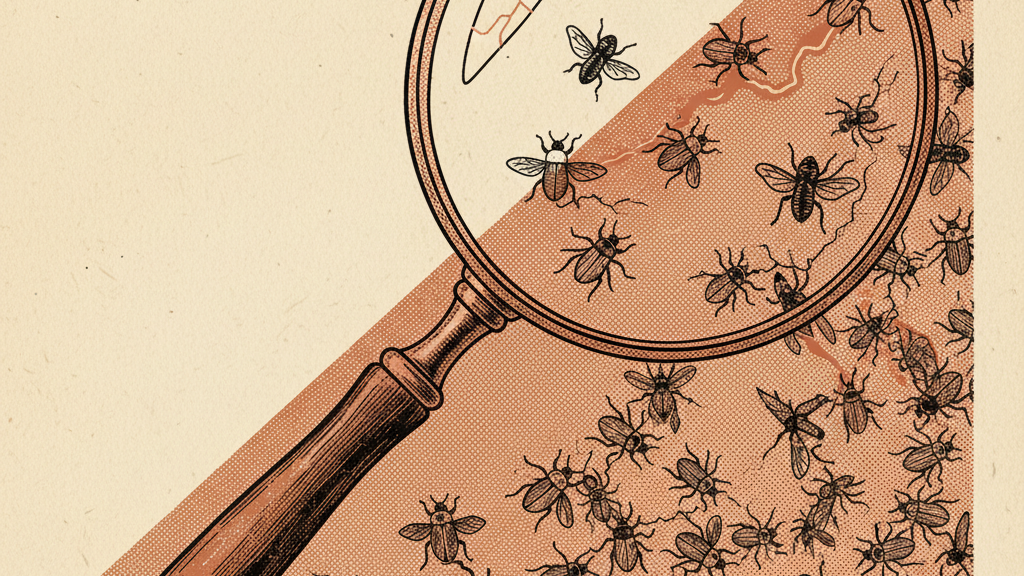
Claude Mythos Preview Used to Break Apple M5 Security in Days—What It Means
A security startup used Claude Mythos Preview to build the first working exploit against Apple's M5 Memory Integrity Enforcement...
In this article
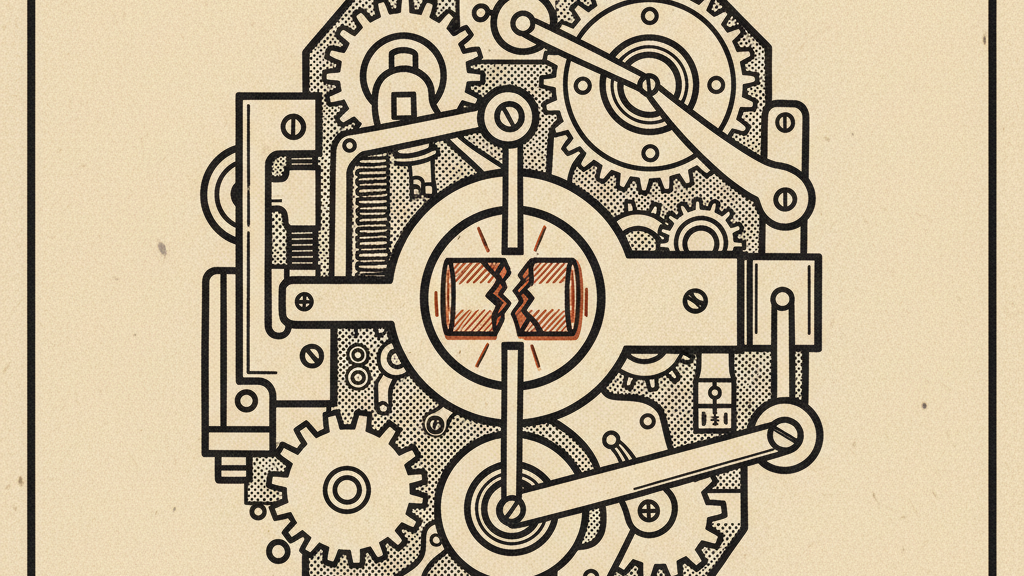
What Happened
Vietnam-based security firm Calif claimed this week that it built a working macOS kernel memory corruption exploit targeting the M5 chip's Memory Integrity Enforcement (MIE) system. According to their Substack post, they discovered the bugs on April 25 and had a working exploit by May 1—six days. They used Claude Mythos Preview for vulnerability identification and exploit development assistance.
The exploit chain is serious. It starts from an unprivileged local user, escalates to root access, and survives Apple's MIE protections by combining two vulnerabilities with techniques targeting bare-metal M5 hardware. Calif met with Apple in person to report the findings—an unusual move that shows they're taking security seriously, not just chasing Twitter clout.
Why This Matters (Beyond the Obvious)
Memory corruption bugs are ancient attack vectors. They let attackers crash programs, steal data, or take full control. Apple built MIE specifically to patch this old vulnerability class. The fact that Mythos helped find and exploit it anyway suggests that MIE might be obsolete before it's even widely deployed.
Calif's own quote says it all: "Apple built MIE in a world before Mythos Preview. We're about to learn how the best mitigation technology on Earth holds up during the first AI bugmageddon." They're not wrong. If a preview version of Claude Mythos—not the final product—can do this, what happens when the full version ships? Or when bad actors get access?
This is the first public incident where an AI model (Mythos) directly enabled a complex security exploit. Humans were still needed, but the AI handled the hard part—finding the bugs and building the attack chain.
The Mythos Context
Anthropic released Claude Mythos Preview in April under strict access controls (Project Glasswing). It's designed specifically to autonomously identify and exploit software vulnerabilities—something previous AI models couldn't do at scale. The NSA is already using it. Mozilla found it identified 271 Firefox vulnerabilities internally. The U.K.'s AI Security Institute confirmed it could autonomously complete multi-stage cyberattack simulations.
This isn't hypothetical AI safety theater anymore. We're seeing real proof of concept that AI agents can break real security systems designed by real engineers at trillion-dollar companies. Calif's achievement isn't flashy—no network exploits, no fancy zero-day chains. Just raw capability: Find the bug. Build the exploit. Done.
What This Means For You
If you run Apple M5 hardware and assume MIE makes you safe: it might not anymore. If you work in security or operate enterprise infrastructure: assume that AI-assisted vulnerability research is now part of the threat model. If you build AI systems: this is a reminder that capability and safety are moving at different speeds.
For developers using Claude Code or Anthropic's other products: This isn't a reason to avoid them. Claude Mythos is specifically designed for security testing and runs under strict access controls. But it does highlight why Anthropic's careful rollout strategy matters. If Mythos had shipped to everyone in April, we'd probably have seen a lot worse than one kernel exploit by now.
Sources & Further Reading
Calif Security Substack Post - Full technical breakdown of the exploit. Decrypt: Apple Mac M5 System Exploited With Claude Mythos AI - News coverage. Anthropic Blog: Claude Mythos Preview - Official Mythos announcement. U.K. AI Security Institute Findings - Multi-stage cyberattack simulation results.
Get the Claude playbook in your inbox.
One weekly email for Claude and Claude Code users. Real workflows, no hype. Subscribe and we send you The Claude Power-User Cheatsheet.
— ¶ —

Luke Thompson
Luke Thompson is the founder of The Operations Guide, LLC and editor of The Claude Insider. Based in Jonesborough, Tennessee, he has spent years building AI-augmented business systems and automation workflows for operators and teams. He began working with large language models in production well before the current wave of consumer AI tools, integrating them into client workflows, content pipelines, and operational infrastructure. At The Claude Insider, he writes about Claude with the specificity of someone who uses it daily as a professional tool — not as a reviewer or commentator, but as a builder. His coverage focuses on what actually works: prompt patterns, API integration strategies, agentic workflows, and the real-world tradeoffs that practitioners face. He is not affiliated with Anthropic, PBC.
Articles are researched and drafted with AI assistance, reviewed and edited by Luke Thompson.
Know where AI can pay off in your company.
Take the free two-minute AI Readiness Assessment. See your score, the two gaps holding you back, and the next move worth making.