Microsoft's Mustafa Suleyman Just Called Out Anthropic's Claude Consciousness Claims — What CEOs Need to Know
Microsoft's Suleyman directly challenges Anthropic's constitutional AI framing. This CEO-level spat signals rising stakes in enterprise AI positioning.
In this article
What Suleyman Actually Said — and Why It Landed
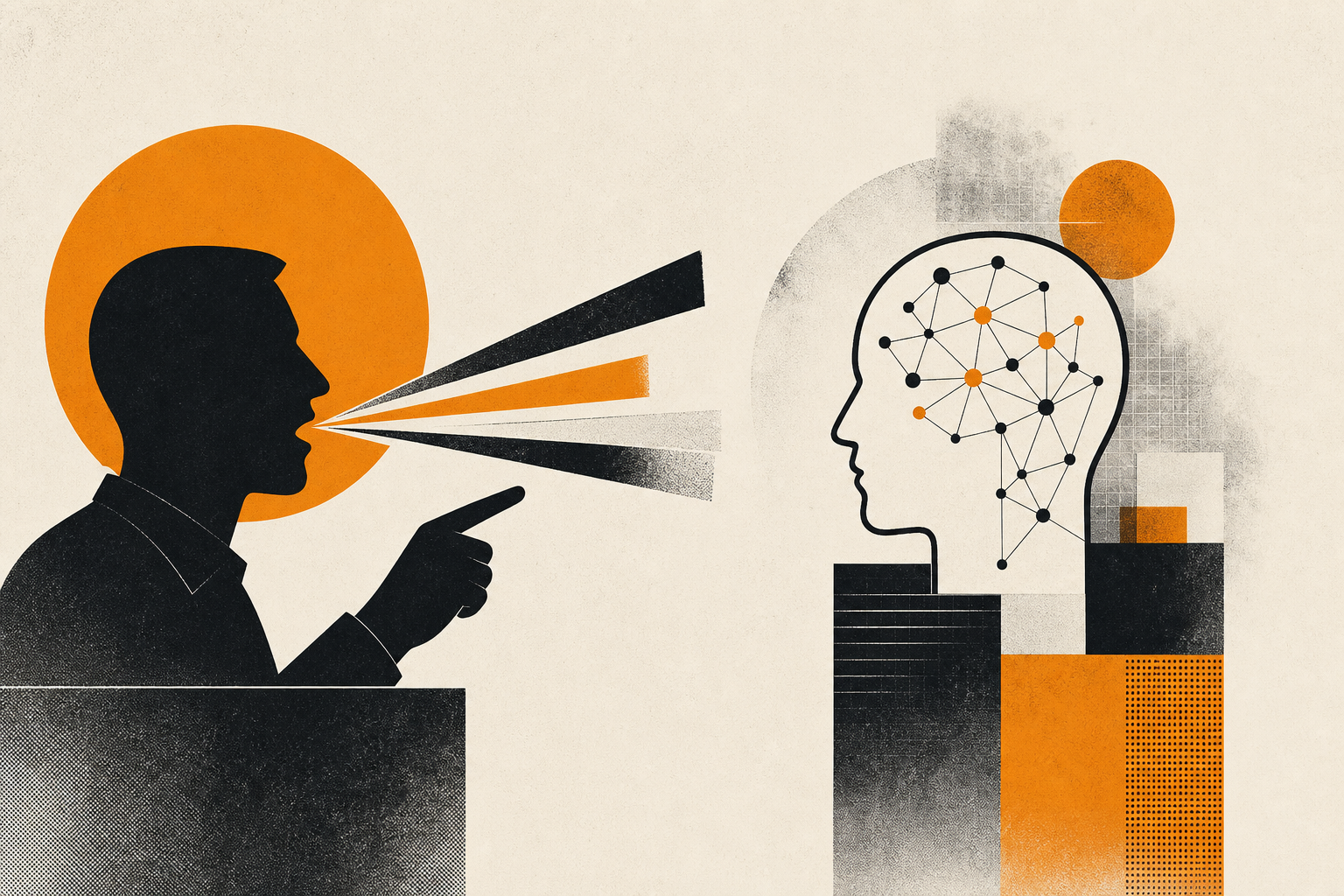
Suleyman's complaint was specific: Anthropic's constitutional AI framework and some of its research framing around Claude's behavior can be read as suggesting the model has subjective experiences or interests of its own. That language, he argued, is 'really, really dangerous' because it sets legal and regulatory precedent. If you've sold your board on the idea that Claude is just a tool, you don't want your model vendor publishing research papers that speculate about the model's consciousness.
This isn't philosophical handwringing. Suleyman's concern echoes what enterprise legal teams are already asking: What does it mean for liability if your AI vendor treats the model as a subject with interests, not an object with capabilities? If Anthropic claims Claude has well-being, does that change how you're allowed to use it? Does it expose you to novel regulatory interpretation?
The Business Stakes: Why Enterprise Buyers Should Care
Here's what's actually happening under the surface. Anthropic has positioned itself as the safety-first, constitutionally-aligned AI company. That's a real differentiator in the enterprise market — risk-averse companies like banks, insurance, and healthcare want assurance that the model they're deploying has been built with guardrails. But when your safety narrative includes speculation about the model's inner experience or consciousness, you create ambiguity. Enterprises don't want ambiguity. They want certainty about what they're buying and what they're liable for.
Suleyman's criticism is also competitive. Microsoft has its own AI safety story — but it's centered on operational safety (preventing misuse) rather than the model's subjective experience. From a sales perspective, that's cleaner. An enterprise buyer can deploy Copilot knowing they're deploying a powerful language model with safety guardrails, not a product with potential consciousness claims that could entangle them in weird liability arguments.
What This Reveals About AI Governance Right Now
This spat is a window into how the big AI vendors are diverging on governance philosophy. OpenAI is scaling fast and playing defense on safety. Google is hedging across multiple approaches. Microsoft is leaning into enterprise safety and compliance. And Anthropic is trying to own the 'responsible scaling' narrative — but that narrative is getting complicated when you mix constitutional AI (operational safety) with consciousness speculation (philosophical claims about the model's experience).
Regulators are watching. The SEC, the EU, and enterprise legal teams are all trying to figure out what responsibility means for AI vendors. If Anthropic is making claims — even theoretical ones — about Claude's subjective experience, that could set precedent that other vendors have to follow or deliberately distance themselves from.
The Practical Implication for Your Business
If you're evaluating Claude for enterprise deployment, Suleyman just handed you a useful question to ask Anthropic: Are you claiming Claude has subjective experience, interests, or well-being? And if so, how does that affect my liability as a customer? The answer will tell you a lot about whether Anthropic is being as careful about governance as they claim, or if their safety positioning is getting mixed with research positioning in ways that could create problems.
For operators considering Anthropic vs competitors: this moment is useful. It's showing you that Microsoft is willing to publicly question Anthropic's framing — which suggests Microsoft sees real competitive and liability advantage in its cleaner, more operational safety story. If safety and clear liability are your top concerns, that's valuable intel.
What This Means For You
Suleyman's comment is a reminder that AI governance is becoming a competitive battlefield. The vendor who can offer clear, unambiguous liability and safety positioning without consciousness speculation will have an advantage with enterprise buyers. For you, that means: When you're evaluating Claude or any frontier model for your business, ask explicitly about what the vendor is claiming the model is. If they start hedging between 'tool' and 'potentially conscious system,' that's a signal to dig deeper before you commit.
This is also a moment where the AI industry's research positioning and commercial positioning are starting to diverge. Anthropic's research is genuinely important — but if that research creates liability or governance risk for enterprises, vendors will have to choose. Will they prioritize research interest or customer certainty? Suleyman's criticism suggests that enterprise buyers expect the latter.
Sources & Further Reading
Decoder Podcast, June 2026 — Mustafa Suleyman interview — https://www.theverge.com/platform/amphtml/2024/9/5/24238013/mustafa-suleyman-ai-dangerous-misinformation The Verge coverage — Microsoft AI CEO on Anthropic consciousness claims — https://www.theverge.com/tech/947197/microsoft-ai-mustafa-suleyman-anthropic-claude-conscious AnthropI constitutional AI research — https://www.anthropic.com/research/constitutional-ai
Get the Claude playbook in your inbox.
One weekly email for Claude and Claude Code users. Real workflows, no hype. Subscribe and we send you The Claude Power-User Cheatsheet.
— ¶ —

Luke Thompson
Luke Thompson is the founder of The Operations Guide, LLC and editor of The Claude Insider. Based in Jonesborough, Tennessee, he has spent years building AI-augmented business systems and automation workflows for operators and teams. He began working with large language models in production well before the current wave of consumer AI tools, integrating them into client workflows, content pipelines, and operational infrastructure. At The Claude Insider, he writes about Claude with the specificity of someone who uses it daily as a professional tool — not as a reviewer or commentator, but as a builder. His coverage focuses on what actually works: prompt patterns, API integration strategies, agentic workflows, and the real-world tradeoffs that practitioners face. He is not affiliated with Anthropic, PBC.
Articles are researched and drafted with AI assistance, reviewed and edited by Luke Thompson.
Know where AI can pay off in your company.
Take the free two-minute AI Readiness Assessment. See your score, the two gaps holding you back, and the next move worth making.