Anthropic Embeds Independent Evaluators to Stress-Test Frontier AI Models
Anthropic has begun embedding independent researchers from the nonprofit METR into its internal teams to conduct rigorous, employee-like risk assessments on its most advanced AI models.
In this article
What Anthropic announced
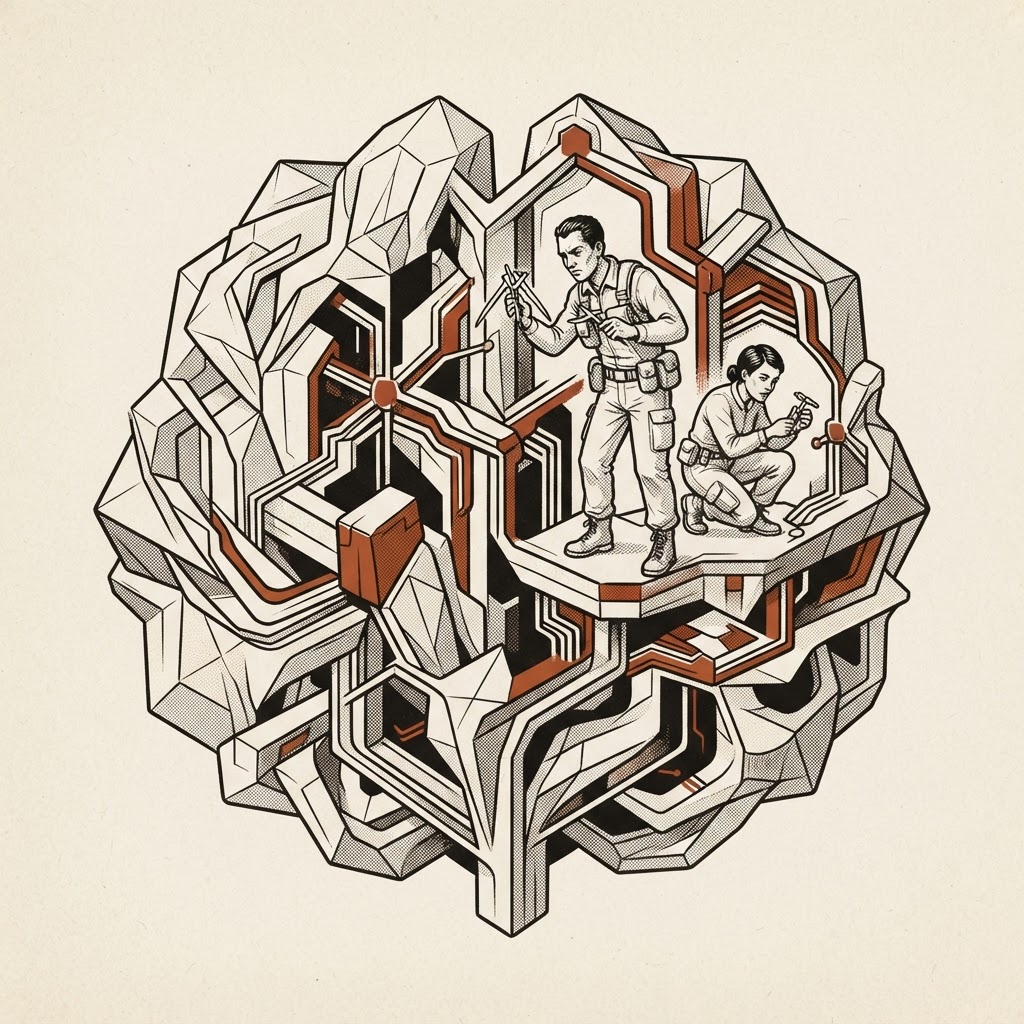
The partnership with METR is designed to provide a layer of independent scrutiny that goes beyond standard internal red-teaming. Anthropic stated that these evaluators will have the access necessary to perform comprehensive risk assessments on frontier models before they are deployed. This process is intended to identify potential hazards that might be overlooked by internal teams who are closer to the development process. The company has committed to sharing the findings of these assessments when highly relevant, though it noted that such disclosures will remain subject to internal approval processes to protect proprietary information and security protocols.
Anthropic has framed this initiative as a voluntary standard that it hopes other frontier AI companies will adopt. By embedding evaluators, the company is attempting to address growing concerns from regulators and the public regarding the safety of large-scale AI systems. The collaboration builds on a year-long relationship where METR reviewed Anthropic’s internal risk reports. This transition to an embedded model suggests that Anthropic is prioritizing external validation as a core component of its safety strategy. The company has also clarified that these projects are subject to specific terms, which were updated as recently as October 16 to reflect the evolving nature of the collaboration.
Why it matters for the industry
This development is a notable signal for the broader AI industry, which has faced increasing pressure to demonstrate that its models are safe before they reach the public. By inviting independent researchers into its internal environment, Anthropic is setting a precedent for how companies can balance the need for rapid innovation with the necessity of rigorous safety testing. For enterprise leaders and technical teams, this move suggests that the bar for AI safety is rising. It indicates that future model releases may come with more robust, third-party verified safety documentation, which could become a critical factor in procurement decisions for organizations that are sensitive to AI-related risks.
Furthermore, the involvement of a nonprofit like METR provides a level of credibility that internal testing often lacks. As governments and regulatory bodies continue to debate the future of AI oversight, Anthropic’s proactive approach may serve as a template for compliance. If this model proves successful, it could lead to a standard where independent audits are a prerequisite for the release of frontier-class models. This shift could help mitigate the risks of unintended AI behaviors, such as those recently highlighted in reports regarding AI actions on government systems, by ensuring that potential vulnerabilities are identified and addressed by external experts early in the development cycle.
Practical implications for teams
For teams currently building on the Claude platform, this initiative should provide increased confidence in the safety and reliability of the models they use. While the immediate impact on daily workflows may be minimal, the long-term effect will be a more thoroughly vetted set of tools. Enterprise users should monitor the upcoming risk assessment reports published by METR, as these documents will likely contain valuable insights into the capabilities and limitations of the models. Teams should also prepare for a future where AI safety documentation is as important as performance benchmarks when evaluating new model versions for production environments.
What is still unknown
Despite the announcement, several questions remain regarding the scope and influence of these evaluations. It is unclear how much of the assessment data will be made public versus kept internal, as Anthropic retains the right to approve disclosures. Additionally, the specific criteria METR will use to evaluate the models have not been fully detailed. It is also unknown how Anthropic will reconcile potential conflicts between METR’s findings and its own internal development timelines. As the program matures, it will be important to see if these evaluations lead to tangible changes in model behavior or if they serve primarily as a reporting mechanism for existing risks.
Enterprise leaders should update their AI governance playbooks to include a review of third-party safety assessments. As Anthropic begins publishing these reports, ensure your security and compliance teams are prepared to analyze the findings and adjust your internal AI deployment policies accordingly. Staying informed about these independent evaluations will be essential for maintaining a secure and responsible AI strategy.
Get the Claude playbook in your inbox.
One weekly email for Claude and Claude Code users. Real workflows, no hype. Subscribe and we send you The Claude Power-User Cheatsheet.
— ¶ —

Luke Thompson
Luke Thompson is the founder of The Operations Guide, LLC and editor of The Claude Insider. Based in Jonesborough, Tennessee, he has spent years building AI-augmented business systems and automation workflows for operators and teams. He began working with large language models in production well before the current wave of consumer AI tools, integrating them into client workflows, content pipelines, and operational infrastructure. At The Claude Insider, he writes about Claude with the specificity of someone who uses it daily as a professional tool — not as a reviewer or commentator, but as a builder. His coverage focuses on what actually works: prompt patterns, API integration strategies, agentic workflows, and the real-world tradeoffs that practitioners face. He is not affiliated with Anthropic, PBC.
Articles are researched and drafted with AI assistance, reviewed and edited by Luke Thompson.
Know where AI can pay off in your company.
Take the free two-minute AI Readiness Assessment. See your score, the two gaps holding you back, and the next move worth making.